June 11, 2026
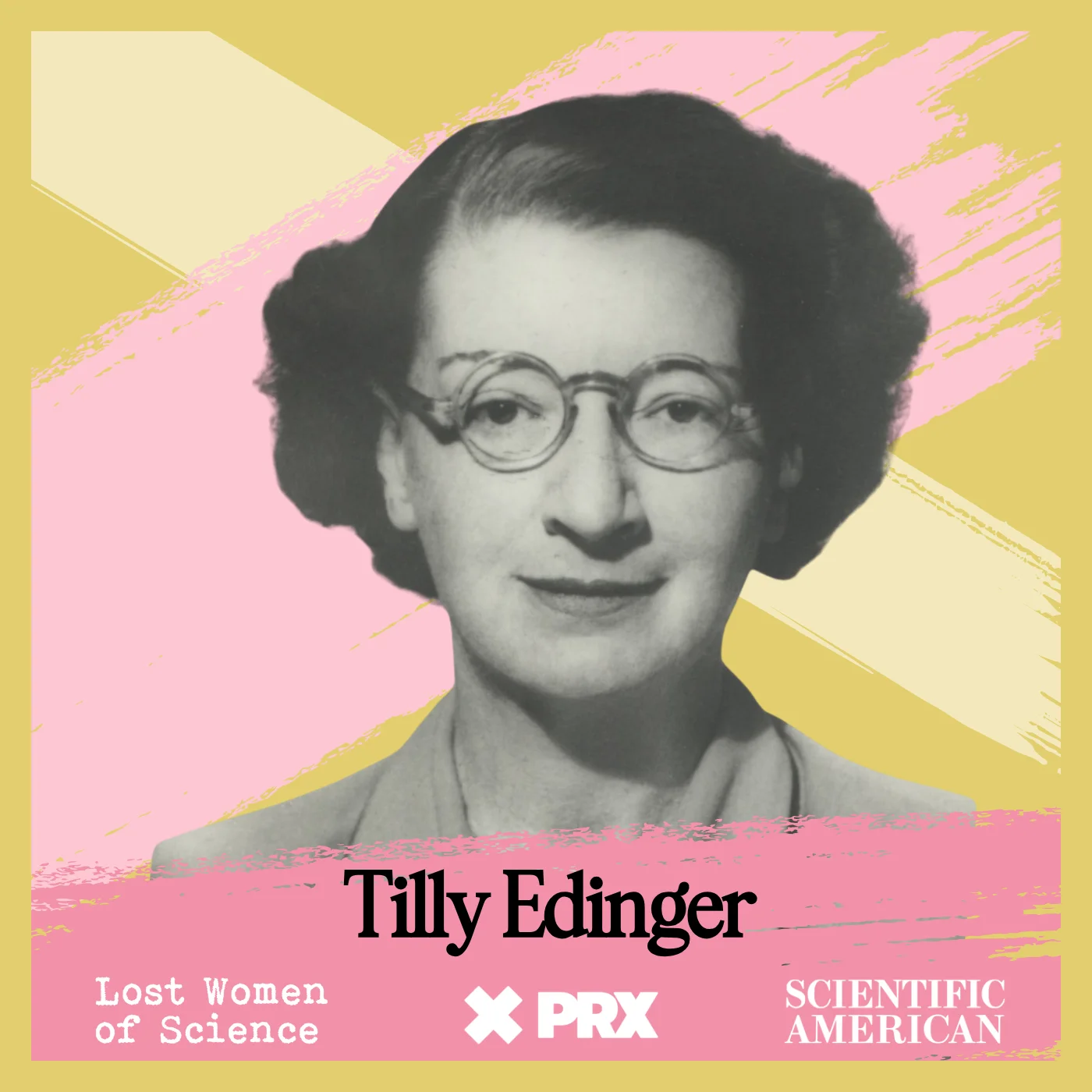
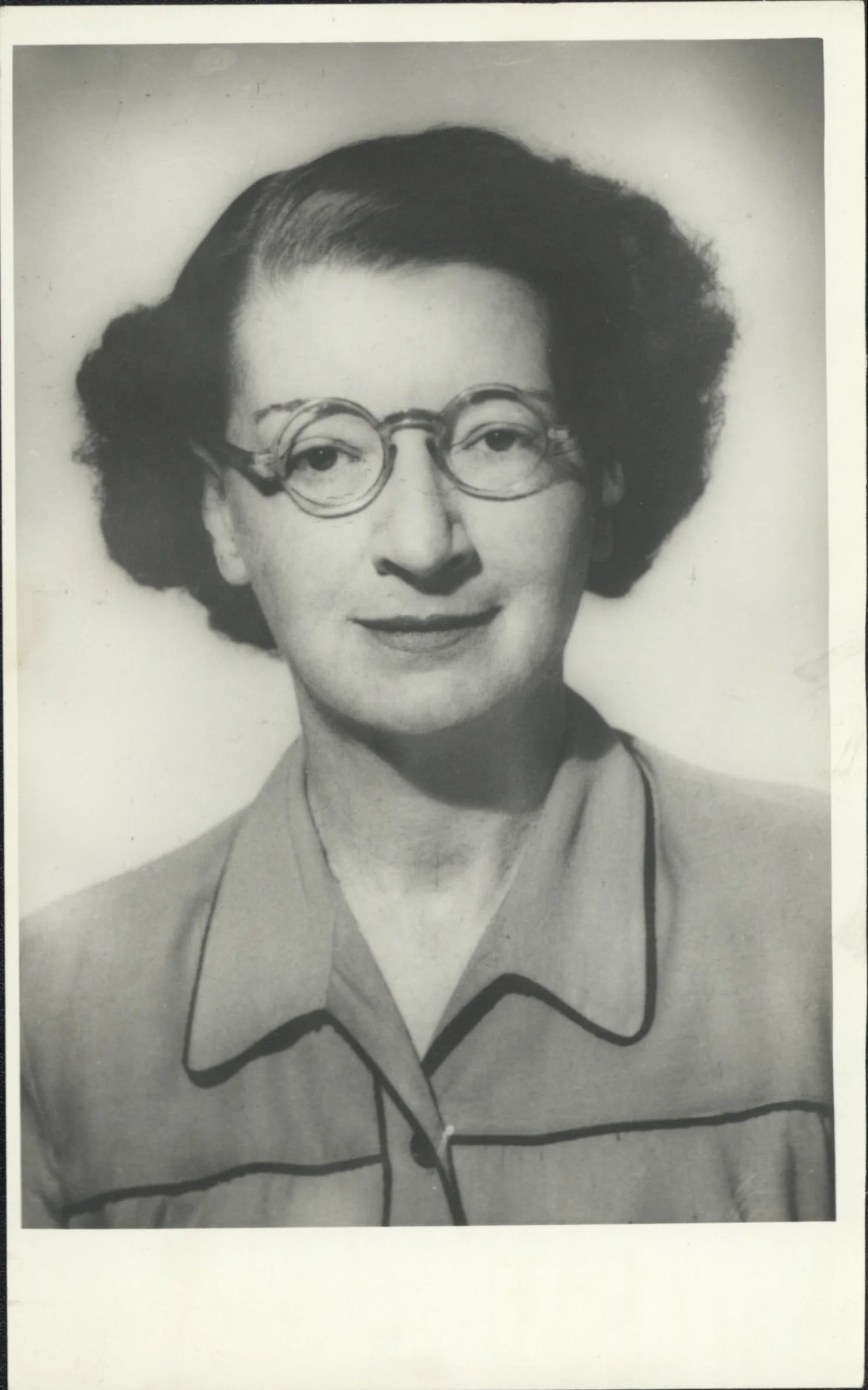
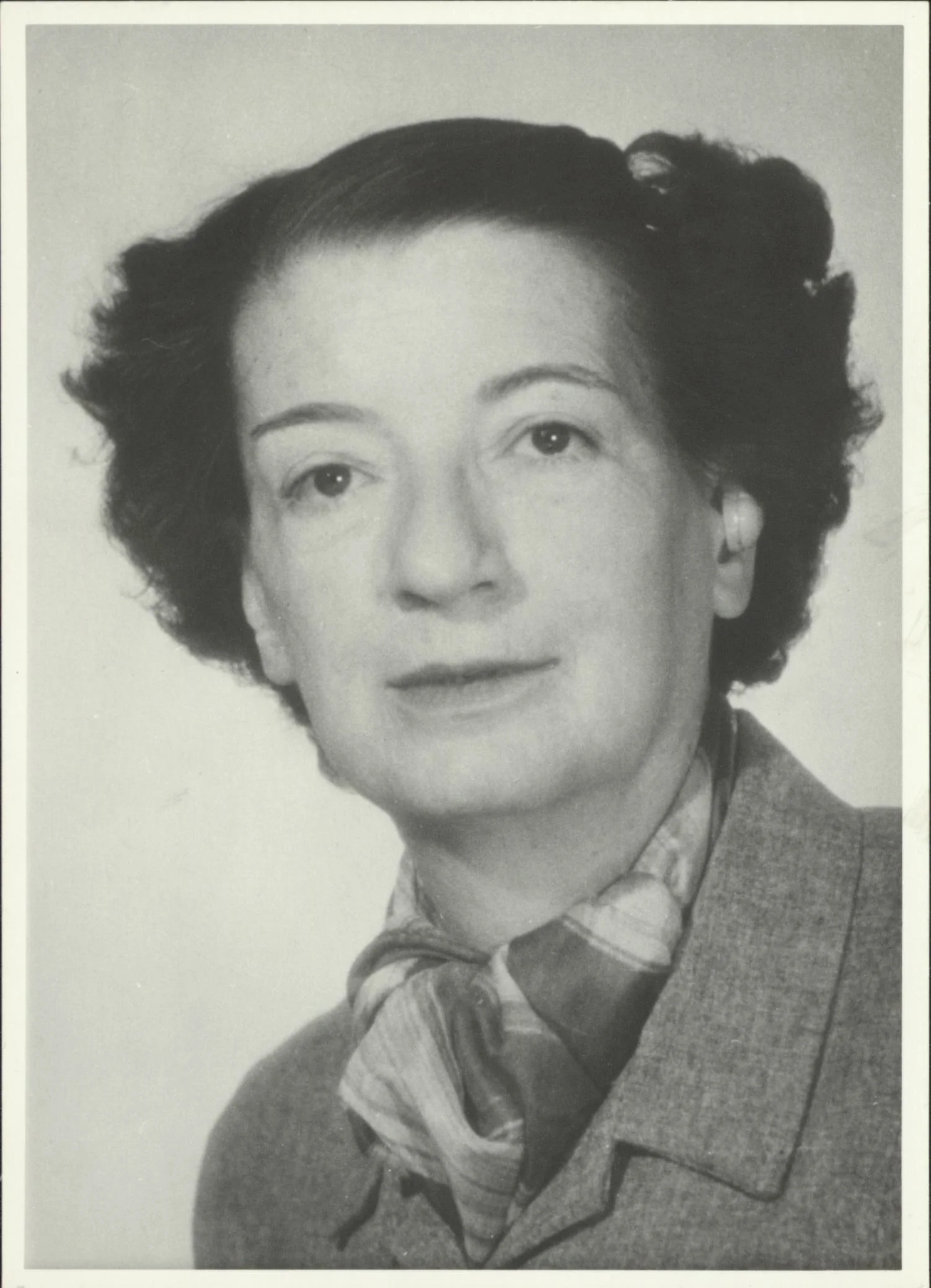
Tilly Edinger: The Paleoneurologist Saved By Her Science


June 11, 2026
Tilly Edinger: The Paleoneurologist Saved By Her Science
Tilly Edinger dedicated her career to studying ancient brains. It saved her life.
Episode Description
How much can you understand about a brain when that brain is long gone? Tilly Edinger, a Jewish paleontologist, used fossilized skulls to study the evolution of brains. That research allowed her to escape Nazi Germany in 1939, and create a new subdivision of paleontology, paleoneurology.


Katie is co-founder and co-executive producer of The Lost Women of Science Initiative. She is the author of six non-fiction books and one novel, and was a longtime reporter for The New York Times. She is at work on her second novel.

Elah is a journalist, audio producer, and editor. Her work has appeared on Science Friday, Undiscovered, Science Diction, Planet Money, and various Canadian Broadcasting Company radio shows.
Katie is co-founder and co-executive producer of The Lost Women of Science Initiative. She is the author of six non-fiction books and one novel, and was a longtime reporter for The New York Times. She is at work on her second novel.
Elah is a journalist, audio producer, and editor. Her work has appeared on Science Friday, Undiscovered, Science Diction, Planet Money, and various Canadian Broadcasting Company radio shows.
Ashley Morhardt is a paleoneurologist and an associate professor of anatomy and neuroscience at Washington University in St. Louis. Her research investigates evolutionary patterns of dinosaur brain and brain-region size and shape to understand how, when, and why vertebrate brains evolve.


Episode Transcript
Tilly Edinger: The Paleoneurologist Saved By Her Science
Elah Feder: In November, 1938, it was final. Tilly Edinger would not be allowed to come back to work or even to enter the building. She'd spent more than 15 years researching and tending to fossils at the Senckenberg Museum in Frankfurt. Now, she was banned.
Tilly would've seen this coming. Over the previous five years, the Nazi government had been steadily closing in on Jews. Jews had been expelled from schools, stripped of citizenship, banned from working in public institutions. But Tilly kept coming into work. Technically, the Senckenberg was not a public institution. It was private, and technically, even though she was a respected paleontologist, Tilly was a volunteer there.
They didn't pay her. Still, to be extra safe, she'd been trying to keep a low profile. She stopped attending conferences, she'd slip in through side doors, and the museum for its part tried its best to protect her.
Emily Buchholtz: They found ways to let her keep going as long as they could.
Elah Feder: Emily Buchholtz is a vertebrate paleontologist and professor emerita at Wellesley College.
Emily Buchholtz: But at some point it became really difficult because she was not allowed to be a referee on articles anymore. She was not allowed to translate for money. She was not, you know, the little ways that she was part of her community were being restricted more and more little bit by little bit.
Elah Feder: And then on November 9th, 1938, on the night that would eventually become known as KristallNacht, Nazis burned down and vandalized synagogues and Jewish businesses across the country.
Afterwards in Frankfurt, Tilly wrote that she walked down the streets with broken glass crunching underfoot. She saw around her, no police only grinning faces.
There could be no more pretense of a normal life.
Emily Buchholtz: She stayed too late. People were telling her for years: get out
Elah Feder: But if Tilly was worried, she didn't show it much. She wrote in a letter that one way or another fossils would save her.
And it turned out Tilly was right.
Elah Feder: This is Lost Women of Science. I’m Elah Feder and I’m joined by…
Katie Hafner: Katie Hafner, host and co-executive producer of Lost Women of Science.
Elah Feder: Today, the story of Tilly Edinger, who was saved by her science, the science of paleoneurology. It's a field she effectively created and in a way, a field that asks a question this show asks all the time, which is how much can you figure out about a brain when that brain is long gone?
Katie Hafner: Elah, Tilly Edinger was a Jew in Germany in 1938, and she thought fossils would save her? How?
Elah Feder: The short answer is that she thought her scientific accomplishments would earn her a work visa somewhere, because in the 1920s, she'd done something pretty remarkable. She developed a new field, within paleontology: the study of brains. And, if you think about it, that is not easy to do. Fossils don't have brains typically.
Katie Hafner: Wait let me get- let me just get this straight. So studying brains that are long fossilized?
Elah Feder: Well, no, the brains are usually just gone. Uh, we'll get into the details of how you study brains where there are no brains. But let's, let's put that aside for a minute.
Katie Hafner: I know we'll get into all of this, but first and foremost, founding a new scientific field as a woman is is quite an accomplishment. So, how did she even get to this point?
Elah Feder: So on the one hand, Tilly definitely had some disadvantages. She was a woman, she was Jewish. She also had progressive hearing loss that started in her teens, but she also had one really key advantage.
Emily Buchholtz: she came from deep money.
Elah Feder: Emily Buchholtz again.
Emily Buchholtz: I mean really serious money. She had had correspondence and family visits with incredibly famous people since she was a very young child. And so I think she was, because she was also trilingual, you know, she was just a person who was comfortable with her own standing among others. She had self-confidence that way.
Katie Hafner: You know, that's one thing in this show that we come across a lot is that the women who get the education tend to be the women whose families have money.
Elah Feder: Yeah, it doesn't hurt. So Tilly's money, it mostly came from mother's side of the family—prominent banking family. They'd been in Frankfurt since 1397. And her mom, Anna Edinger. She was a well-known activist, including for women's rights. So. That was helpful. And then there was Tilley's dad, Ludwig Edinger, who was a scientist. A really respected neurologist and comparative anatomist. There's a part of the brain that has his name, the Edinger, Vestal nucleus. Do you want me to tell you what that is?
Katie Hafner: Really? I have never heard of that.
Elah Feder: How have you not heard of the edinger Vestal nucleus? So, it controls a few things related to your eye muscles, including the constriction of your pupils in bright light, and the point is he's a big deal.
Katie Hafner: So, he was doing his work in the early, early 1900s?
Elah Feder: Yes, yes. And the late 18 hundreds.
So Tilly, she grew up with an appreciation for science and a really great education. And so, despite being a woman, a Jewish woman in the early 20th century, she actually was very well set up to become a scientist. She ended up going to university and in 1920 she went for her doctoral degree.
Katie Hafner: Which university was this?
Elah Feder: University of Frankfurt. So during her doctoral degree, something really important happened. Her advisor told her to take a look at Nothosaurus. Do you know what that is?
Katie Hafner: No. I have no idea. You know what i'm gonna be saying Elah, throughout this whole conversation. I’m gonna be saying a lot “I have no idea what that is.”
Elah Feder: Neither Nothosaurus nor the Edinger-Westphal nucleus? Okay. Nothosaurus Marine Reptile lived in the Triassic period and looks vaguely like a crocodile. Anyway, her advisor tells her, how about you study the palate of this creature's mouth? And then just leaves her alone until the thesis is done.
And, if Tilly had just stuck to the assignment and moved on, I don't think we'd be talking about her today, but while she was working on this creature's palette, she also came across an endocast.
Katie Hafner: Endocast…
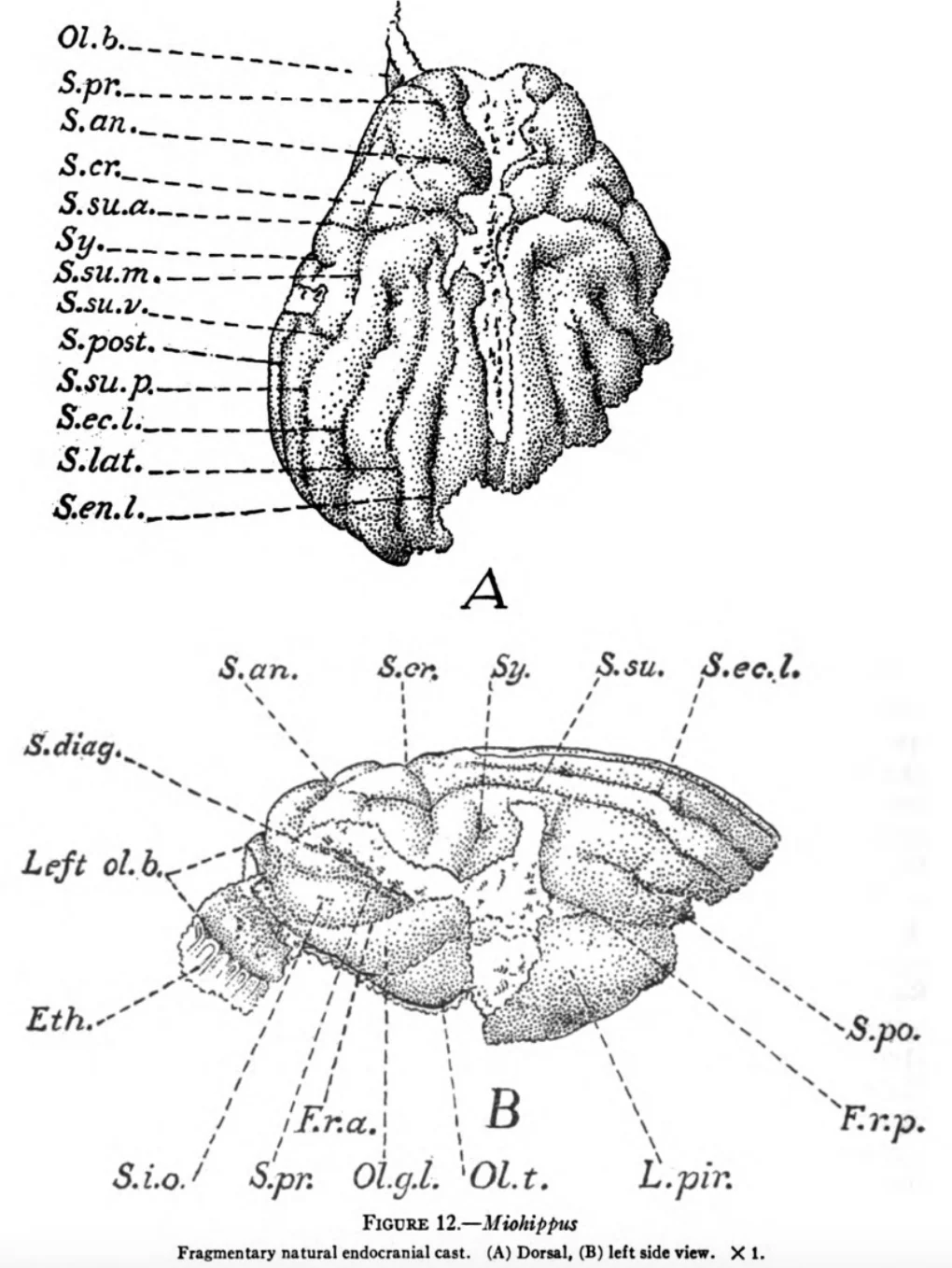
Elah Feder: So an endocast is a cast of the inside of the cranium. You can make one by pouring plaster or latex into a skull, but it can also happen naturally, which is what happened here. So, a fossil skull, it fills up with mud, which then hardens. And what you get is a cast that is roughly in the shape of the missing brain.
Katie Hafner: Oh my goodness. Who knew?
Elah Feder: Not me until I did this. Yeah, no.
Elah Feder: So Tilly wrote up her findings here. She described the relative sizes of the brain areas that she could see. She also investigated how much this kind of cast can actually tell us. Like how well does an endocast match the original brain that was there.
Nothing really earth shattering yet. Uh, you can actually figure out a lot more about mammals from their endocast than for reptiles. But, this is the beginning. So she published this in 1921 and the next year got her diploma from the University of Frankfurt.
So at just 24 years old, Tilly Edinger was a woman with a doctorate in science, uh, in the 1920s.
Katie Hafner: What did she do with it? Did she get a job? Were there lots of job prospects? What happened?
Elah Feder: She started doing unpaid labor. She went to her university's Geology/Paleontology Institute and the Senckenberg Museum, which are in the same building, and she volunteered for them, which actually was not unusual for a wealthy person in Frankfurt to do. The museum actually relied on these wealthy volunteers.
Emily Buchholtz: I mean, I'm sure she just basically said, can I come look at your fossils? And they said, sure. And by the way, they're a mess. If you wanna clean them up, do it.
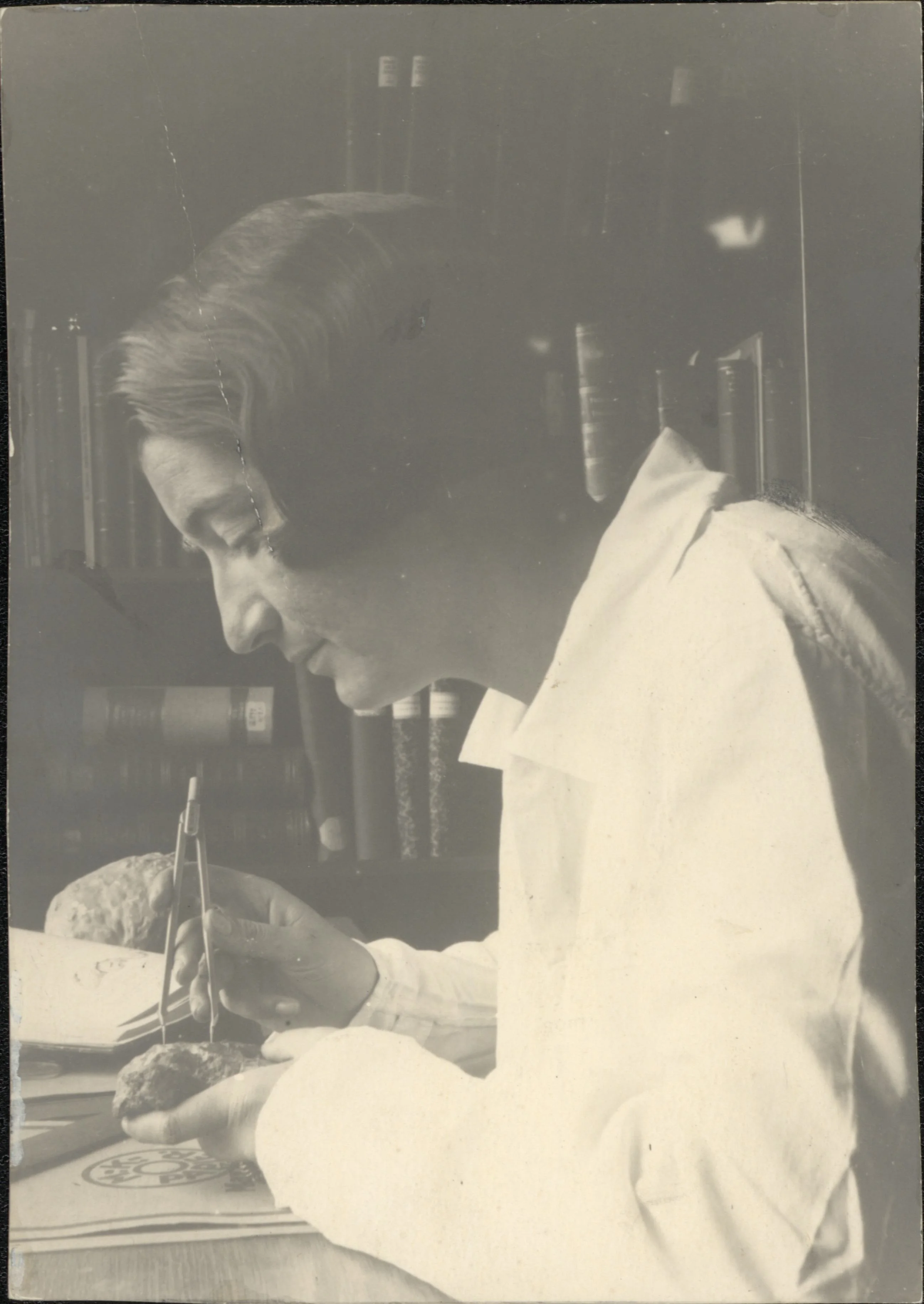
Elah Feder: Expectations might not have been very high at first, we don't know, but once again, Tilly Edinger didn't just stick to her assignment. She wrote, she researched, she published furiously and within a few years she established a new field paleo neurology, and she laid this all out in a book she wrote during her time there,
Emily Buchholtz: totally without funding. You know, she just, this is what she wrote at the Senckenberg just for the joy of it.
Elah Feder: And in this book, Die Fossilen Gehirne (fossil brains), she took these brain endo casts, which, you know, paleontologists did know about these, but they largely existed as an afterthought in the field. Tilly, she shined a light on these showing, look we can actually study the brains of extinct animals. And here's how you do it.
Katie Hafner: This is so beyond anything I would think to do. I mean, one of the things that we do a lot at Lost Women of Science is think where did this person get that curiosity.
Elah Feder: I think for her, we can potentially draw a straight line here 'cause her dad was a neurologist and her dad died just a couple of years before she started her doctoral degree. She loved her dad, and after she first publishes about an endocast, she writes even though I'm a paleontologist, I can still sort of follow in papa's footsteps.
Katie Hafner: Awe, yeah, I get that. I totally get it.
Elah Feder: So this is a book that would make any father proud. It really established Tilly's name in paleontology circles, you know, well beyond Germany.
Katie Hafner: Okay, so was the book published under her name?
Elah Feder: Yeah.
Katie Hafner: What was her full name?
Elah Feder: Her full name. Oh my. Okay. Let me pull it out. It's a long one. Okay. Full name, a long German- she had multiple names in there. Okay, so her full name is Johanna Gabriela Ottilie—so that's where Tilly comes from—Johanna Gabriela Ottilie Edinger. Although, she always published as Tilly Edinger.
So, this book was a very big deal. Not every day that you found a new discipline. But, what I personally found more interesting is some of her later work, where she describes evolutionary patterns that she starts to see. So, for example, Sirenia, these are manatees and dugongs. Do you know about dugongs? They're really cute.
Katie Hafner: Manatees, I know. Dugongs, no.
Elah Feder: They're like fun house manatees. They're, these are related. They're just like, they're all the like, cute pudgy herbivores of the sea. And they’re ancient relatives. So Sirenia evolved from land animals and then they became marine dwellers. So Tilly,she arranged their endo casts from most ancient to most recent.
Emily Buchholtz: In the sequence, you are getting more and more aquatic adaptations. And the size of the olfactory lobes are decreasing in size relative to the brain itself. If you look at an ancestral Sirenian and a more recent Sirenia, the olfactory lobes will be smaller, relative to the size of the whole brain.
Elah Feder: These animals were losing their ability to smell with more time in the water, which I think is cool because it shows that evolution isn't just about adding new abilities, but about being efficient and dropping what's not helping you anymore.
Katie Hafner: Totally fascinating, like I think, why, why do we need our little toe? Isn’t it eventually just gonna drop away? I mean, who needs it?
Elah Feder: Never thought that. I just ass-
Katie Hafner: I think about it a lot.
Elah Feder: Science needs to get on this.
Okay, back to Tilly. 1933, She published her paper, about Sirenia—great scientific contribution, in my opinion. That same year, the Nazis came to power.
Luckily for Tilly, by then, she had established an international reputation, including critically the United States, and just as she predicted, fossils were gonna save her, but they took their sweet time. That's after the break.
Katie Hafner: Elah, I'm finding this completely fascinating. So far it sounds like she's having a fantastic time. She has complete free reign to do her research, and then in 1933, everything starts to change. Right?
Elah Feder: Right. So in the 1930s, life got progressively worse for Jewish people. Tilly, like many other Jewish people at that time, stayed. She stayed after Hitler took power. She stayed through 1935 when Jews were stripped of citizenship and as we know, she was there for Kristallnacht in 1938
Katie Hafner: And people, as Emily mentioned, had been pleading with her, get out, her sister in particular. She left for Turkey in 1933.
Katie Hafner: And she was just adamant. I mean, what did she- this is something that I've thought about um, I wrote a whole book about Germany years and years ago. And I think that probably people like Tilly considered themselves more German than Jewish. Is that your sense of it?
Elah Feder: Yeah, I mean like I mentioned, she did have very deep roots in Frankfurt. Her family had been there since the middle ages. I think it's possible that she was just very attached to the life that she had. I think it's also possible that she was in denial, or even just fearless. She told a friend that she wasn't worried about ending up in a concentration camp.
Emily Buchholtz: She said, she carried something that could kill her
Elah Feder: Veronal, which was a brand name at the time for Barbital, which is lethal at a certain dose.
Wojcicki But she happily didn't have to use it.
Elah Feder: Because Tilly was right. Fossils did save her.
Emily Buchholtz: But just barely by the skin of her teeth.
Elah Feder: It got dangerously close, but then a miracle in the form of Alfred Romer. Alfred Romer was a famous American paleontologist, and in the knick of time, he got her a job at the Harvard Museum of Comparitive Zoology.
Emily Buchholtz: she called him her angel chef, her- her, her angel boss, because he had never met her. He had of course heard of her, based on this book that she wrote, and on the basis of that, he was willing to offer her a position. Doing, it wasn't quite clear what, and he had basically no funding to do it, but he found a way to have it, A, from Harvard and B, have some title and a tiny stipend of some kind so that it could be official.
Yes, there is a position waiting for her and on that basis. England was willing to take her for a year before her number came up to get into the United States.
Elah Feder: Tilly Edinger left Germany in May, 1939. By that time as a Jew, she was not allowed to enter museums. She was not allowed to enter movie theaters, cafes. And leaving the country, she was not allowed to take anything with her, or basically nothing. So this woman who had grown up with so much money arrived in Cambridge with almost nothing, but she made it.
Emily Buchholtz: The funny thing is about losing the wealth, She lost every penny basically she had a spoon, you know, a few dollars. But, it didn't even hardly bother her to be broke, she lived- I went to see where her apartment was. It's really very close to the museum, and it was not what she was used to at all, and she had to cook for herself and you know, she was talking about it. She would say, well, I have to even like make my own meals. Imagine!
People who had been invited said it was dark and kind of dingy, and I don't think she trucked much with housework, you know?
Elah Feder: that was the one thing she was not given training in.
Emily Buchholtz: Yes. Right.
Elah Feder: And oh my, did she love her new life. Katie, did you ever see an American tale?
Katie Hafner: No. Uh uh.
Elah Feder: Okay, this is a classic of my childhood: kids movie about the Mouskowitz family.
Katie Hafner: I like it already. Tell me,
Elah Feder: So, this is a Russian Jewish mouse family who escape Pogroms by evil cats in Russia and they go to America on the promise that there are no cats in America..
[Audio clip]
Elah Feder: There's a great song for this moment
[Audio clip]
Elah Feder: Of course, they soon find out there are cats in America and the streets are not paved with cheese.. But I couldn't help it. When I learned about Tilly's time in America, this song kept popping into my head because for Tilly, there were no cats in America.
American Life was just beyond anything she'd imagined. Her only regret was that she'd never gone sooner. And her new boss, Alfred Romer, he was a really big part of that.
Emily Buchholtz: He was famous for throwing parties you know, picnics and family, this, and everybody was part of the family and there was whistling and singing and, you know, and he was the most amazing scientist at, well, in the field of vertebrate paleontology, there is one major prize and it's got his name and George Simpson's names, that's called the Romer Simpson Prize.
Elah Feder: Americans delighted Tilly with all of, uh, their overt feelings and kindness. She's like a serious German lady. Um, like okay, for just an example, there's a story she told in an interview with Radio Bremen. So, this was in the late 50s, and she explained that early on she took a, a second job teaching zoology at Wellesley College because, you know, as Emily mentioned, the museum had almost no funding for her position,
Anyway, she was teaching at Wellesley and afterwards, they told her that the girls quote, liked her so much.
Tilly Edinger: Wissen, dass sie eigentlich lieber Forschungsarbeit machen wollen, aber die Mädels haben sie so lieb gewonnen. Das war der Grund.
Elah Feder: And, Tilly found this so strange. They didn't say, you know, we want you back. You're a good zoologist, or You're a good teacher. They told her that the girls liked her.
Tilly Edinger: The girls liked you so much. Finden Sie das nicht, dass das undeutsch und sehr amerikanisch ist?
Elah Feder: That's so Un-German. So American.
Katie Hafner: That’s so American, but was what she was doing for Romer in any way demeaning to her? Did she think-
Elah Feder: No.
Katie Hafner: Wait a minute, I have a doctorate. I understand some stuff that you guys didn’t. You know, I’ve figured out stuff, I’ve written a book, no? Nothing?
Elah Feder: Not remotely. I mean, remember she was a totally unpaid volunteer for years in Germany. She, like, she knew that this was a position they scraped together, you know, the little funding to effectively save her life. I- she could totally feel entitled to more, but from everything I've read, she just seemed very grateful and thrilled with Romer.
I mean, I found something like a, like a 10 page journal entry she wrote just venting about a horrible editor who was power tripping with her. And, you know, eventually she had to meet with his editor, and Romer was in the room with her, and she said because he was there, she felt protected. Like, he just looked out for her, that's how she saw it.
Katie Hafner: Like a father figure. How old is she at this point?
Elah Feder: Mm, let's see. So, she met him in her forties, but by then she was in her late fifties.
Katie Hafner: So not a child.
Elah Feder: Not a child.
Katie Hafner: And then her sister's in Turkey and what about the rest of her family in Germany?
Elah Feder: Well, her sister actually eventually comes to the US too. Her parents both died before the Nazi era. Uh, but she did, she did lose close relatives in the Holocaust. In that same, uh, radio interview we heard earlier. She described coming back to Frankfurt after the war and how the city was just ruined and everyone was gone.
Tilly in background: Wie ich dann zurückkam, kann ich nur sagen als ich wiederkam, als ich wiederkam, war alles leer. Ja Die deutsche Familie ist, mein Bruder ist vergast, meine Lieblingscousine und einer meiner Väter sind erschossen und meine eine Tante, meine Lieblingstante, mein liebster Mensch auf der Welt, im Alter von 80 Jahren, wie sie diese Mitteilung bekommen hat, sie soll sich für die Deportation bereithalten, hat sich das Leben genommen.
Elah Feder: So she’s saying, when she came back everything was empty, her brother was gassed, she had cousins who were shot.
Elah Feder: Her favorite aunt at the age of eighty, when she got the notice to prepare for deportation, she took her own life. Another aunt died in a concentration camp
Katie Hafner: Horrible. So, everyone who was dearest to her in the world.
Elah Feder: Yeah. This is the only mention I could find where she talked about losing her family to the Nazis.
You know, overall my impression was of a woman who was just determined not to think too much about the past and to move forward, which I think is pretty typical of her generation.
But yeah, Tilly. I, it's, it's funny, I, I get a dual picture of her. I get this image of a very tough, self-sufficient, German woman. She was famous for chain smoking outside the museum building and turning off her hearing aids so that no one would bother her. But at the same time, she's just like ecstatic about American life, American friends, and about her work there. It's in the US that she publishes a very famous second tome. This time she publishes on horses.
Katie Hafner: What horses? Did you say horses?
Elah Feder: I said horses.
Katie Hafner: Why horses?
Elah Feder: So apparently back in when she was in Germany, she'd said something cheeky about how it would be easy for Americans to study the evolution of horse brains because, but I guess they just don't seem interested. And then when she arrived in the US Yeah, she was, she was saying she said something a little bit cheeky about how it would be super easy. And then when she arrived in the US the famous paleontologist, George Gaylord Simpson was like, okay, hot shot.
Like, I'm paraphrasing, but you know, why don't you do this? And, uh, it turned out to be a lot harder than she expected. But, but she pulled it off and she published this very famous—in certain circles—book about horse brain evolution. And, she found a bunch of very interesting things. But, I’ll tell you what I personally found interesting—she found that, over time, their brains evolved more capacity, but not just by getting bigger proportionately. Do you have any idea how a brain might do that?
Katie Hafner: No. It sounds painful.
Elah Feder: What painful?
Katie Hafner: Well, if you think your brain is basically swelling and you've only got so much skull.
Elah Feder: You're like imagining a meningitis situation?
Katie Hafner: Yes.
Elah Feder: Okay. That's not, that's not what's happening. Emily Buchholta explained this to me.
Emily Buchholtz: I'm gonna have to tell you a little brain anatomy to do this, but basically the cells are on the outside of the brain and the wiring is on the inside of the brain.
Elah Feder: So, if you have a really smooth, round brain, not a lot of surface area, and you're gonna run out of capacity.
Emily Buchholtz: The outside surface of a sphere is not able to accommodate a great increase in processing information coming in without getting massively bigger and infolding
Elah Feder: So basically the brains are getting curvier, you know how brains are all curved and foldy.
Katie Hafner: Oh! I see.
Elah Feder: So ancient brains are pretty smooth, reptile brains—very smooth. Even some mammals like hedgehogs: smooth.
Katie Hafner: I knew they were stupid.
Elah Feder: You know what, they know what they need to know.
Katie Hafner: Alright, so how does Tilly's story end?
Elah Feder: Well, as she got older, her hearing loss progressed and. Increasingly she felt more vulnerable and isolated. She couldn't hear what people were saying at conferences. She felt like she was always getting left out of conversations.
She would sometimes have trouble falling asleep because she was so nervous that she wouldn't hear the alarm in the morning, and she'd just, like, lie there awake. So, I think Tilly's final years were difficult in many ways, but she was still working. But, still had projects she was excited about even after she formally retired in 1964. One of the things she worked on, and that her colleagues finished after her death, that would actually become a really important reference work for the field, something that everyone knows
But, she didn't get to finish it because, in 1967, she was out walking in Cambridge, and was hit by a delivery truck, and then she died later in hospital. and it's been claimed that she just didn't hear the truck coming because maybe her hearing aid was turned off at the time.
Katie Hafner: And, how old was she?
Elah Feder: She was 69.
Katie Hafner: Oh, how terrible. So Ella, would you sum up what she contributed
Elah Feder: First of all, she established a new field, a- a sub-discipline of paleontology. But I think actually talking about her accomplishments is- is part and parcel with understanding why she is lost, um, because-
Katie Hafner: So you consider her actually lost?
Elah Feder: Well, there are degree of lostness. The kind of people that we broadly hear about that are really well known in society are people who often, who discovered something big or invented something. She didn't discover radiation, she did not invent a vaccine for polio. Like, there's no big flashy, scientific breakthrough. The bulk of her work was this very methodical, deep, foundational, field defining work. Collecting these fossils, organizing them by time, describing the patterns, describing their shapes.
This is not the kind of person that you normally learn about in school. People sometimes describe science as a relay race. You know, the people in science who get the big prizes and all the attention are usually the ones who crossed the finish line or a finish line because science doesn't end forever. But the work of these people, it totally depends on other scientists who did less glamorous, but really critical foundational work; that's how I see Tilly's work.
Katie Hafner: And where has this taken us? Where are we now? What’s the state of the art?
Elah Feder: So, when I started working on this story I thought that the kind of work that Tilly did was a thing of the past. Because I mean, these days, if you wanna study brain evolution there are a lot of very cool new tools, and I’m gonna give you just one example.
Katie Hafner: Okay, please do.
Elah Feder: Okay this is a real study that I came across. They took human DNA, grew a miniature brain in the lab—it’s called a brain organoid because it’s not actually a full brain, thank God.
Katie Hafner: Wait, when you say in the lab- like in a jar?
Elah Feder: Maybe it’s in a jar, it probably needs some fluid.
Katie Hafner: Yeah, uh huh.
Elah Feder: Not the point. The point is: they grew like a tiny brian organoid from human tissue. Then, they wanted to know what neanderthal DNA might do to this, so they took a gene extracted from a neanderthal fossil, they CRISPR’d the gene into this miniature human brain, and they found the synapses fired faster. This is like the universe of things they can do now to try to understand how brains evolve over time.
This is a universe that Tolly probably never even imagined, right?
Katie Hafner: Yeah, exactly right.
Elah Feder: But, it does not mean that her work is irrelevant.
Katie Hafner: And, how does it mean that her work isn’t irrelevant-
Elah Feder: Is not irrelevant? Well, fossils- fossils still matter. Yeah you canb look at the DNA of a neanderthal, but if you want to know how big was its brain, what was it shaped like, you still get really valuable clues out of the ofssils themselves, and that’s where techniques like Tilly’s come into play.
Ashley Morhardt: I would say people are definitely still looking at Endocasts.
Elah Feder: Ashley Morehart is an associate professor of anatomy and neuroscience at Washington University, and she's a modern day paleoneurologist.
Ashley Morhardt: But, rather than looking at physical endocasts there has been a huge push. To study them in non-destructive ways.
Elah Feder: Because if you make an endocast, you're pouring silicone or latex into a skull, you might damage it to get that cast out.
So now you do a CT scan of a skull, you create a 3D model of what the brain cavity looks like, and you have what's called a digital endocast. So Ashley, she usually works with a micro CT scanner, but she says if there's something really big like a triceratops skull, she goes to a hospital.
Ashley Morhardt: We go in after dinner or even like middle of the night to do some of the scanning. And it's just kind of a little slumber party where we get together and run things through the scanner
Katie Hafner: And have people like Ashley talked about the legacy of Tilly.
Elah Feder: This was really surprising to me. I contacted Ashley to talk about modern paleoneurology, and she knew all about Tilly. She was basically like a Tilly-hobby-scholar. She knew about the chain smoking outside the museum.
Ashley Morhardt: She would go out in her big fur coat, and just puff, puff puff all day.
Elah Feder: She knew about her early life
Ashley Morhardt: She had an interesting upbringing in that her father was a human neurologist…
Elah Feder: And I was like, wait, is- is Tilly famous? But, no. Tilly is really well known if you are in vertebrate paleontology.
Ashley Morhardt: Definitely familiar to anyone who studies vertebrate brain evolution.
Katie Hafner: Very niche.
Elah Feder: Yes. Yeah, exactly. Like then she's a superstar. You will have come across her reference books.
You will possibly know her horse book too. But yeah, beyond that, she's one of those like, first leg of the relay race people that you know don't usually make it into the high school textbooks. Are you gonna teach kids about Tilly? I hope… Are we gonna make- put her in the next kid's book?
Katie Hafner: We have to, absolutely. Consider it done.
Elah Feder: Okay. Well, I'm reassured.
So degrees of lostness, right? Known to some, but not to most.
Katie Hafner: And definitely worth knowing about
Elah Feder: That's what we're here for.
This episode was produced by me, Elah Feder, Natalia Sanchez Loayza is our senior managin producer. Our music was composed by Lizzy Younan. We had fact-checking help from Lexi Atiya, and Jessica Taylor collected archival material.
Thanks to our co-executive producers, Amy Scharf and Katie Hafner, to Eowyn Burtner, our program manager, and to marketing director, Lily Whear.
We’re distributed by PRX, our publishing partner is Scientific American. Our funding comes in part from the Alfred P. Sloan Foundation and the Anne Wojcicki Foundation. If you visit lostwomenofscience.org, you can find a lot of extra material for this episode plus a donate button.
We’ll see you next time!
Listen to the Next Episode in this Series
More Episodes
Listen to the complete collection of episodes in this series.